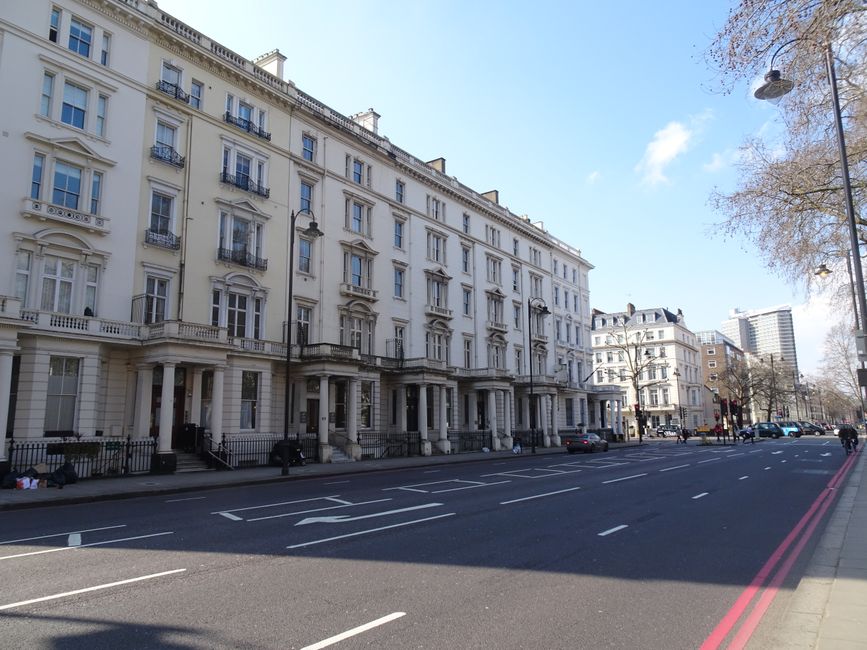
Bayswater Removals Insider Tips for Queensway and Westbourne Grove
If you are planning a move around Bayswater, Queensway, or Westbourne Grove, the small details matter more than people expect. A short distance on the map can still turn into a tricky moving day once you add basement flats, narrow entrances, loading restrictions, awkward parking, and the usual London traffic drama. That is exactly why Bayswater removals insider tips Queensway Westbourne Grove are worth reading before you book anything. A well-planned move saves time, lowers stress, and avoids those last-minute surprises that somehow always arrive right when you are carrying a sofa.
This guide breaks down what actually helps in this part of West London: how to plan the move, what local conditions change the process, which service style fits your situation, and how to make sensible decisions about packing, timing, access, and support. If you want a move that feels organised rather than improvised, you are in the right place.
Why Bayswater removals insider tips Queensway Westbourne Grove Matters
Moves in Bayswater are rarely straightforward because the area mixes period conversions, mansion blocks, compact flats, busy main roads, and residential streets where parking can be tight. Queensway adds its own rhythm too: constant activity, traffic flow that changes throughout the day, and plenty of footfall. Westbourne Grove, meanwhile, can be elegant and calm one minute and inconveniently busy the next. A move in this part of London is less about brute force and more about timing, access, and coordination.
The biggest mistake people make is assuming a local move is automatically easy. It is not. A short journey does not mean a short job. In our experience, the move itself is often only one part of the challenge. The real work is in the planning: measuring furniture, checking lift access, confirming parking, and deciding whether you need a man and van, a larger team, or something more specialised like flat removals.
There is also a trust angle here. The more local the move, the easier it should be to organise, but only if the removals plan actually fits the street and property. A good move in this area is not about luck. It is about being prepared for the quirks of the neighbourhood.
Expert summary: In Bayswater, Queensway, and Westbourne Grove, the winning formula is simple: plan access first, packing second, and vehicle choice third. If you reverse that order, the day gets messy fast.
How Bayswater removals insider tips Queensway Westbourne Grove Works
At a practical level, the process starts with understanding what you are moving and where it is going. A one-bedroom flat on a side street with no lift is a very different job from a family house move or a small office relocation. That sounds obvious, but people still underestimate it all the time.
The work usually falls into a few stages:
- Initial assessment: list the rooms, bulky items, access points, and any fragile or valuable pieces.
- Vehicle and crew choice: decide whether you need a removal van, a moving truck, or a smaller load option.
- Packing: box by room, label clearly, and separate essentials you will need on arrival.
- Access planning: think about stairs, narrow halls, lifts, loading zones, and where the vehicle can actually stop.
- Move day execution: load in a sensible order, protect furniture, and keep the route clear.
- Unloading and set-up: place furniture first, then boxes, then the small items that can wait.
For many local moves, a service like removals or removal services makes more sense than trying to patch together a DIY approach. If you are moving from or into a flat, especially in a converted building, the difference in efficiency can be noticeable. One person can carry boxes. Three people can move a day along properly. That is the reality.
For larger jobs, look at whether the move has commercial complexity or household complexity. A business relocating equipment near Queensway may benefit from commercial moves or office removals, while a family may be better served by home moves or house removals.
Key Benefits and Practical Advantages
The main advantage of using local removal know-how in Bayswater is control. You are reducing uncertainty, and that matters a lot in an area where small delays can snowball into a very long morning. Another benefit is efficiency. When the team knows how to work around local access issues, there is less unnecessary lifting, less waiting, and fewer awkward resets in the middle of the job.
There are also benefits you only really notice on the day. The right planning can reduce damage risk, because furniture is moved in the correct order instead of being squeezed through a doorway that is clearly too tight. It can also reduce stress for neighbours, which is not a small thing in residential streets where everyone can hear the scraping of a wardrobe at 8:10 a.m.
- Less time lost to access problems
- Better protection for furniture and walls
- Cleaner handover at both properties
- More predictable pricing and timing
- Less physical strain on you and your household
If your move includes packing help, services like packing and boxes or packing and unpacking services can save a surprising amount of time. To be fair, that is often where the stress drops most quickly. Boxes are one thing. Boxing while also arranging keys, handling calls, and keeping an eye on a hired truck is another story entirely.
Who This Is For and When It Makes Sense
This topic is for anyone moving within or around Bayswater, Queensway, or Westbourne Grove who wants the job to go smoothly rather than just hoping it will. That includes tenants moving between flats, homeowners making a local relocation, students shifting between term-time addresses, and businesses moving offices or stock.
It is especially useful if any of the following apply:
- you live in a flat with stairs or limited lift access
- you have furniture that is awkward, heavy, or sentimental
- your move needs to happen quickly
- you are coordinating keys and building access on a tight schedule
- you need temporary storage between properties
- you are moving on or around a busy day when parking will be competitive
Students often underestimate how much difference a small, well-organised move can make. If that sounds familiar, it is worth looking at student removals. If you are moving just a few items or doing a short local hop, man with van or man with a van options can be sensible. For a more substantial household move, a fuller house removalists service may be the better fit.
And if the timing is awkward, do not panic. Some situations genuinely call for same day removals. It is not ideal for every move, obviously, but it is useful when the schedule has gone sideways and you need a practical rescue plan.
Step-by-Step Guidance
If you want a less stressful move, follow the sequence below. It is not glamorous, but it works.
1. Start with the layout, not the boxes
Walk through both properties and note the access. Measure doorways, stair turns, and any tight hallways. Check whether your sofa will make the bend without taking a chunk out of the paint. That sort of thing happens more than people admit.
2. Choose the right service level
Match the move to the job. A single-room move may only need a removal van or man and van setup. A larger home move, furniture-heavy job, or business relocation may require a bigger vehicle and more hands. If you have especially bulky or fragile items, such as upright instruments, look into piano removals.
3. Pack with loading order in mind
Pack heavier items into smaller boxes. Keep essentials in a clearly marked bag or box. Label every box by room and note anything fragile. It is a simple idea, but it makes unloading much faster and avoids the classic chaos of opening six boxes to find a kettle.
4. Sort out parking and access early
Parking is one of the biggest hidden risks in Bayswater. If the vehicle cannot stop close enough, time and labour go up. Plan for the street conditions you are actually dealing with, not the conditions you wish you had.
5. Protect the building as well as the furniture
Use covers, blankets, and floor protection where needed. Good movers think beyond the item they are carrying. A chipped banister or marked hallway can be the expensive bit nobody expected.
6. Keep the first day items separate
Your kettle, charger, toiletries, documents, medication, and basic bedding should travel with you or sit in one easy-to-find box. Truth be told, this is the difference between feeling settled and feeling like you are camping in your own home.
7. Finish with a clean handover
Check cupboards, meter areas, lofts, and storage nooks before leaving the old property. Then make sure the new place has everything where it should be before the crew leaves. Once the van is gone, small mistakes become a lot more annoying.
Expert Tips for Better Results
Here are the things that make the biggest difference in real life, especially around Bayswater, Queensway, and Westbourne Grove.
- Book earlier than you think you need to. Good local slots go quickly, especially at convenient times.
- Avoid making everything last-minute. Moving day is hard enough without discovering you have run out of tape at 6 p.m.
- Use colour or room labels. Even a basic sticker system helps enormously.
- Keep weight low in boxes. Books, cookware, and records are notorious box-breakers.
- Take photos of cable setups. This sounds minor until you are staring at a tangle of wires later.
- Tell the team about difficult items in advance. Fridges, mirrors, artwork, and antiques should never be a surprise.
- Ask about insurance and safety process. A trustworthy provider should be able to talk clearly about insurance and safety without sounding vague.
One practical tip people often forget: if you are moving from a top floor flat, create a "last out, first in" zone near the door. That way, the items needed first at the new property are the last to be loaded and the first to come off. Simple. Very effective.
Also, if you are dealing with an office or small business move, keep documents and devices separate from general stock or furniture. For those situations, office relocation services can be a better match than a general household setup.
Common Mistakes to Avoid
The most common mistake is underestimating access. People think, "It's only two streets away," and then discover the loading bay is occupied, the lift is too small, or the best parking space is already taken. That can turn a tidy plan into a scramble.
Another frequent issue is overpacking boxes. It feels efficient at the time, but a box packed too heavily is slow to carry and more likely to split. Likewise, using mixed-room boxes makes unpacking slower than it needs to be.
- Leaving packing too late
- Not measuring larger furniture
- Forgetting to confirm building access
- Ignoring parking restrictions or loading realities
- Assuming all removal firms offer the same level of support
- Failing to separate essentials for the first night
A quieter mistake, but a costly one, is not reading the booking terms carefully. Check payment expectations, cancellation rules, and what is included in the quote. If a provider has clear information on pricing and quotes and terms and conditions, that is a useful sign that they are organised and transparent.
And one more thing: do not assume your moving day will feel calm if you have not prepared for disposal. If you need old items removed, furniture removals and furniture pick up can help you avoid carrying unwanted pieces to the new place. Nobody enjoys moving a chair they already wanted rid of.
Tools, Resources and Recommendations
You do not need a fancy toolkit to move well. You need the right basics and a clear system.
| Tool or Resource | Why It Helps | Best Used For |
|---|---|---|
| Strong boxes | Protects contents and stacks better | Books, kitchenware, general packing |
| Packing tape and labels | Makes boxes secure and easy to sort | Room-by-room organisation |
| Furniture blankets | Reduces scuffs and scratches | Tables, wardrobes, shelving |
| Trolley or sack truck | Saves lifting and speeds up heavy moves | Appliances and boxed loads |
| Storage option | Gives breathing room between properties | Delayed handovers, decluttering, renovations |
| Professional packing support | Reduces workload and mistakes | Busy households, fragile items, large moves |
If your dates do not line up perfectly, storage can be a sensible bridge rather than forcing everything into one stressful day. For jobs that need a specific vehicle size, you can compare removal truck hire with a smaller removal van or a more flexible man with van arrangement.
If you are comparing providers, look beyond the headline promise. Ask yourself: do they explain the process clearly? Do they mention safety? Do they offer practical options rather than pushing one size for every job? Those small signs matter.
Law, Compliance, Standards, or Best Practice
For most domestic moves, the main thing is not a complex legal procedure; it is following sensible UK moving practice and respecting property rules. Buildings may have their own access requirements, landlord conditions, or management instructions. That can include booking lifts, using service entrances, or sticking to certain time windows. Always check the building rules first. It saves awkward conversations later.
On the provider side, good practice usually includes clear pricing, safe manual handling, suitable vehicle use, and proper care for customer property. If a move involves staff lifting heavy items, the team should work in a way that reduces obvious strain and protects both people and property. That is basic professionalism, not a bonus.
It is also sensible to choose a company that is transparent about privacy, payments, and complaints handling. Those pages are not exciting, I know, but they tell you a lot about how the business operates. Useful references include payment and security, privacy policy, and complaints procedure. If a company explains those clearly, it usually means the back office is in decent order too.
For businesses, additional care is sensible around document handling, workstation movement, and asset protection. A move should not turn into a messy handover of equipment and paperwork. Office moves need structure, even when the office is small.
Options, Methods, or Comparison Table
Different move styles suit different situations. The right choice depends on volume, access, timing, and budget. Here is a straightforward comparison.
| Option | Best For | Strengths | Trade-Offs |
|---|---|---|---|
| Man and van | Small flats, a few bulky items, short local moves | Flexible, often quick, good for lighter loads | Less suitable for large furniture sets or full-house moves |
| Removal van | Medium-sized moves with decent access | Practical balance of space and agility | May need careful load planning |
| Moving truck | Larger households or bigger inventories | More capacity, fewer trips | Can be harder to position in tight streets |
| Flat removals service | Upper-floor flats and tricky access buildings | Designed for stairs, lifts, and compact layouts | May be more specialised than a basic van-only option |
| Storage plus move | Gap between completion dates or decluttering | Reduces pressure and gives flexibility | Extra step and extra coordination |
If you are not sure which option fits, start with the question: how much of the move is about access, and how much is about volume? That answer usually points you in the right direction.
Case Study or Real-World Example
A typical local scenario goes like this. A couple is moving from a third-floor flat off Queensway into a wider apartment near Westbourne Grove. The distance is short, but the old building has a narrow stairwell, the new one has a lift booked only for a limited window, and parking on both streets is tight. On paper, it looks simple. In practice, it needs planning.
They begin by measuring the sofa, wardrobe, and bed frame. One item is too awkward to risk taking apart and rebuilding on the day, so they arrange that in advance. They book a team that can handle carrying, protect the stairwell, and work quickly enough to fit within the access slot. They also prepare a first-night box with bedding, chargers, mugs, and cleaning basics.
The day still feels busy, because moving days do. But there is no panic about where the boxes go, no surprise at the lift restrictions, and no frantic search for tape or keys. That is the difference the right planning makes. Not perfect. Just calmer. And calmer is usually the real win.
We have seen the same pattern with small office relocations too. Once the team splits documents, IT items, and furniture before the move, everything becomes much easier to receive and reassemble on the other side. Funny how often the hard bit is simply deciding what should not be mixed together.
Practical Checklist
Use this checklist a few days before moving day, then again the night before.
- Confirm your move date and time window
- Check access at both addresses
- Measure large furniture and key doorways
- Decide whether you need packing help, storage, or a larger vehicle
- Label boxes by room and priority
- Pack essentials separately
- Protect fragile items and disassemble anything that should not travel assembled
- Arrange parking or loading arrangements where needed
- Keep important documents and valuables with you
- Make sure old and new properties are both ready for handover
- Tell the team about stairs, lifts, and awkward items in advance
- Set aside snacks and water for the day; seriously, it helps
If you are moving after a long workday or in the middle of a packed week, give yourself a bit of grace. The goal is not to make moving fun. Let's face it, that would be asking a lot. The goal is to make it manageable.
Conclusion
Bayswater, Queensway, and Westbourne Grove are all excellent places to live and work, but they reward preparation. The move itself becomes much easier once you respect the local realities: access, parking, building rules, and the true size of the job. When you match the service to the property, pack with purpose, and keep the essentials close, you dramatically reduce stress.
The best Bayswater removals insider tips Queensway Westbourne Grove are not clever tricks. They are practical habits: plan early, choose the right support, and never leave access to chance. That is how local moves become smooth, even when the streets are busy and the stairs are unforgiving.
Get a free quote today and see how much you can save.
And if you are still in the middle of deciding what kind of move you really need, that is completely normal. Take the time, ask the right questions, and build the plan that fits your day, not somebody else's ideal version of it.
Frequently Asked Questions
What are the most useful Bayswater removals insider tips Queensway Westbourne Grove?
The most useful tips are to check access first, measure larger furniture, book the right vehicle size, and keep your essentials separate. In this part of London, parking and stair access are often the things that slow a move down, not the distance between addresses.
Is a man and van service enough for a move in Bayswater?
Sometimes, yes. If you are moving from a small flat or only have a few bulky items, a man and van setup can be a sensible choice. For larger loads or awkward access, you may need something more substantial.
How far in advance should I plan my move in Queensway or Westbourne Grove?
As early as possible. The more complicated the access or the more important the timing, the earlier you should arrange things. Local moves may look quick on the calendar, but the best slots can disappear faster than you would think.
Do I need storage if my dates do not line up?
If there is a gap between moving out and moving in, storage can be extremely useful. It gives you flexibility instead of forcing everything into one stressful transfer. It is especially helpful during chain delays or renovation handovers.
What is the difference between removal van hire and a full removals service?
Removal van hire usually gives you the vehicle, while a fuller removals service may include carrying, loading help, and more structured support. The right choice depends on how much lifting you want to do yourself and how difficult the access is.
How do I know if I need flat removals?
If you are moving in or out of a flat with stairs, lifts, narrow hallways, or limited parking, flat removals may be a better fit than a basic move. It is designed around the realities of apartment living.
What should I pack separately for the first night?
Keep bedding, chargers, toiletries, medication, basic snacks, a kettle or mugs if you need them, and essential documents close at hand. One small box of first-night essentials can save a huge amount of hassle.
Are office removals handled differently from home moves?
Yes, usually. Office moves often involve computers, documents, desks, and a need to minimise downtime. That is why office relocation services or office removals are often more suitable than a standard household approach.
What should I ask about before booking removal services?
Ask what is included, how access issues are handled, whether the team is insured, how payment works, and what the cancellation terms are. Clear answers are a good sign that the provider is organised and transparent.
Can I move a piano or other heavy specialist item locally?
Yes, but specialist handling is wise. Items like upright pianos, large safes, and some antiques need more care than a general furniture move. For that kind of job, specialist support is usually the sensible route.
What happens if I need to move on the same day?
Same-day help can sometimes be arranged if timing is tight. It is not the ideal way to plan, but it can be a practical solution when something unexpected has changed and you need a fast response.
How do I keep the move stress under control?
Keep the plan simple, label clearly, and make sure the essentials are easy to reach. Also, give yourself enough time. A move always feels better when you are not racing the clock. Funny how that works.