Recycling and Sustainability at Removal Company Bayswater
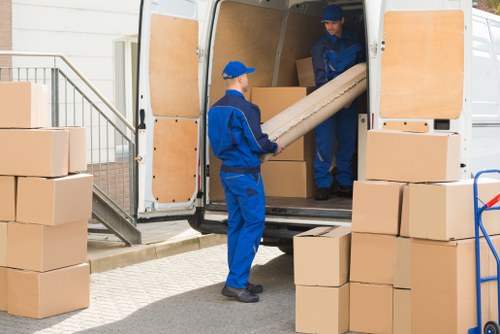 At Removal Company Bayswater, sustainability is built into the way we work. Our removal services in Bayswater are designed to reduce waste, recover materials responsibly, and support a cleaner local environment. We aim to keep as much as possible out of landfill by sorting, reusing, and sending suitable items into the correct recycling streams. Our current recycling percentage target is 90% for recoverable materials handled through our operations, and we continue to review procedures so that our Baywater removal company approach stays efficient and practical for homes and businesses alike.
Responsible Waste Handling Across Bayswater
As a local removal company in Bayswater, we work with the realities of city waste management every day. Different boroughs use slightly different rules for separating mixed waste, paper, cardboard, plastics, textiles, and electrical items, so our teams make sure materials are sorted carefully before leaving site. In residential streets around Bayswater, it is common to see separate collection systems for dry mixed recycling and general waste, and we align our methods with that expectation. This helps us support borough-level goals while ensuring items are routed to the right facilities for onward processing.
Our focus on sustainable removals in Bayswater also means reducing unnecessary disposal. We identify furniture, office equipment, white goods, and household items that can be reused or broken down for recyclable parts. By choosing careful item separation before loading, we lower contamination and improve the quality of recovered materials. That means less waste is rejected later and more can be turned back into new products.
 We also make use of nearby local transfer stations to keep journeys short and handling efficient. Where possible, waste is taken to approved facilities serving Westminster, Kensington and Chelsea, and nearby West London routes, helping reduce fuel use and transport distances. These transfer stations play an important role in sorting mixed loads, diverting recyclable materials, and preparing non-reusable items for specialist treatment. For a Bayswater recycling company, this local network is essential to maintaining both speed and environmental responsibility.
Charity Partnerships and Reuse
Partnerships with charities are another important part of our sustainability strategy. Many items removed from flats, offices, and retail spaces still have useful life left in them, so we work with charitable organisations and reuse partners wherever suitable. Sofas, tables, chairs, shelving, and selected household goods may be passed on for community use if they meet safety and condition checks. This approach supports donation-led reuse, reduces demand for newly manufactured items, and helps local causes receive practical resources at low cost.
As a Removal Company Bayswater serving a diverse urban area, we know that reuse can be as valuable as recycling. Items that are not fit for donation may still be dismantled into metal, wood, cardboard, and plastics for separate recycling streams. We also pay attention to electricals and electronic equipment, which require special handling because of batteries, wiring, and data-bearing components. In a neighbourhood with a high turnover of furniture and office setups, this careful approach makes a real difference to how much material is recovered.
 Our commitment to lower-impact operations extends to transport. We are steadily expanding the use of low-carbon vans in our fleet, including newer fuel-efficient models and vehicles chosen to reduce emissions in stop-start city driving. This matters in Bayswater, where narrow streets, short trips, and frequent loading can create unnecessary idling if not managed well. By planning routes intelligently and using cleaner vehicles, our Bayswater removal services can cut carbon output without compromising reliability.
Lower-Carbon Operations for a Busy Urban Area
We also look at how our daily practices affect waste and emissions together. For example, consolidating loads reduces repeated trips to transfer stations, while pre-sorting items helps prevent extra handling at downstream facilities. Our teams are trained to separate materials such as scrap metal, clean cardboard, and reusable packing supplies, which supports the boroughs’ approach to waste separation and helps households and businesses make better use of available recycling systems. In some cases, we can also recover packing materials for reuse rather than sending them away after a single job.
Another priority is ensuring that bulky waste is treated with care. Mattresses, wardrobes, desks, appliances, and mixed office contents often contain multiple material types that need to be separated before recycling can happen effectively. By managing these items properly, our Bayswater waste removal process helps reduce the amount sent to landfill and supports a more circular local economy. This is especially relevant in central and west London, where space is limited and efficient waste recovery matters.
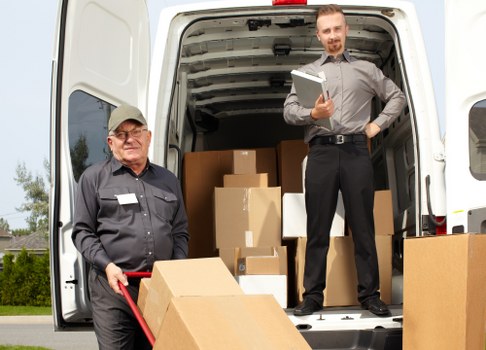 We are also committed to continual improvement. Each collection gives us a chance to refine sorting, reduce contamination, and strengthen our links with local recyclers and community partners. Our recycling percentage target is not treated as a one-off promise; it is monitored against day-to-day performance so we can identify where more items can be diverted from disposal. That includes improving separation of cardboard, metals, plastics, textiles, and reusable household goods collected during house clearances and office moves.
For residents and businesses looking for eco-friendly removal company Bayswater support, our approach is straightforward: recover what can be reused, recycle what can be processed safely, and dispose of the remainder through approved routes with the lowest practical carbon impact. In an area where borough collection systems encourage sorted recycling and responsible waste presentation, our methods are designed to complement local expectations rather than work against them.
 At Removal Company Bayswater, recycling and sustainability are not separate add-ons; they are part of the service. From local transfer stations and charity partnerships to low-carbon vans and material separation, we aim to make every move more responsible. Our recycling-led removal services in Bayswater support cleaner streets, better reuse, and a lower environmental footprint for the community we serve.