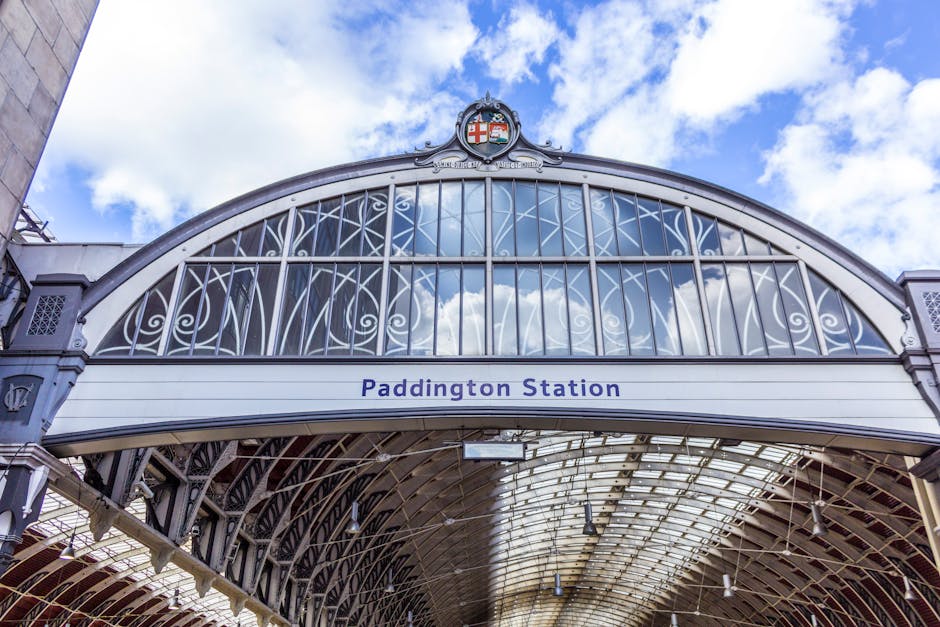
Paddington Station area Bayswater removal tips for tricky access
Moving in the Paddington Station area or nearby Bayswater can feel simple on a map and then suddenly turn awkward the moment a van tries to stop. Narrow streets, busy drop-off points, awkward stairwells, mansion blocks, basement flats, controlled parking, and the general London habit of being just a bit tighter than expected can all slow things down. If you are looking for Paddington Station area Bayswater removal tips for tricky access, the good news is that a well-planned move is usually very manageable.
This guide focuses on the real-world bits that matter: how to plan access, what to do when a lift is tiny or unavailable, how to reduce carrying distance, and when to book the right kind of vehicle or crew. It also covers common mistakes, practical checks, and the sort of decisions that help you avoid that last-minute scramble. Let's face it, nobody wants a moving day that starts with a parking argument and ends with a scratched wardrobe.
For movers who want a more tailored service, it can help to understand the difference between a flexible man and van option, a full home move, or specialist support for flat removals. The right choice depends on access, volume, and how much lifting you want to handle yourself.
Why Paddington Station area Bayswater removal tips for tricky access Matters
Paddington Station and Bayswater sit in one of those parts of London where movement looks easy until you meet the reality of the streets. You have busy roads, hotel traffic, commuters, taxi activity, resident loading pressure, and homes that were built long before modern moving trucks were on anyone's mind. That combination creates delays, and delays create cost, stress, and unnecessary risk.
Tricky access matters because removals are not just about getting items from A to B. They are about the steps in between: where the vehicle can stop, whether a sofa will clear the stair bend, if the lift can take the load, and how far the team has to carry boxes. A move that seems small can still become complicated if access is poor. A one-bedroom flat on the top floor with a narrow stairwell can take longer than a larger house move with a decent driveway. Strange, but true.
In busy central and inner-west London areas, the biggest issues usually come down to a handful of practical things:
- limited or time-restricted parking
- shared entrances and concierge rules
- small lifts or no lift at all
- tight staircases, corners and landings
- high foot traffic near main roads and station approaches
- loading windows that need careful timing
Because of that, the best removal advice is rarely about brute force. It is about preparation, sequencing, and choosing the right service. If you are moving home, a house removals service may be the best fit. If your move is smaller or more access-sensitive, a man with van arrangement can be a practical middle ground. For office moves in the area, office removals need a slightly different rhythm again.
How Paddington Station area Bayswater removal tips for tricky access Works
There is no secret formula here, just a process that reduces friction. A good tricky-access move starts with a realistic survey of the property and ends with a route that has been thought through before the first box is lifted. That might mean an on-site visit, photos, or a clear phone discussion about the building, the parking, and the items being moved.
In practice, a removal team will want to know things like:
- the exact floor level of the property
- whether there is a lift, and if so, how large it is
- the width of the stairwell and any tight turns
- how close the van can legally and safely stop
- whether there are time windows for access or loading
- whether bulky items need partial disassembly
Once that information is clear, the move can be planned in the right order. Heavy furniture may be loaded first if it is closest to the exit, or it may need a special carry plan if the stair route is awkward. Fragile items should be boxed and labelled properly. If the access is especially tight, the crew may use smaller vehicles, extra manpower, or a more staggered loading approach.
That is also why packing and boxes matter more than people expect. Poor packing slows everything down. Overfilled boxes make carrying harder. Loose items add clutter in a narrow hallway. A tidy, consistent pack makes the whole move feel calmer, and honestly, calmer is faster.
If the move is urgent and the property access is awkward, a same-day option can sometimes help, especially for short-notice departures or overlapping tenancies. In those situations, same-day removals may be worth considering, provided the access details are given clearly from the start.
Key Benefits and Practical Advantages
Planning for tricky access is not just about avoiding headaches. It gives you a few very real advantages.
- Less delay: the team can work to a plan instead of reacting to problems on the fly.
- Lower risk of damage: fewer awkward turns and rushed lifts means less chance of bumps, scrapes or dropped items.
- Better cost control: when access is understood in advance, quotes are usually more accurate and there are fewer surprises on the day.
- Less stress: you are not trying to work out parking at the same time as finding your kettle and moving your wardrobe.
- Safer handling: the right equipment and crew size can be matched to the route and the items.
There is also a quieter benefit: the move feels more organised. You can tell when a move has been properly prepared. Boxes are staged neatly, the team knows which room is which, and there is no chaotic back-and-forth through a tight lobby. It sounds small, but it changes the whole feel of the day.
For customers with limited storage overlap or a delayed completion, it can also be useful to look at storage as a pressure-release valve. Sometimes the smartest move is to split the process into stages instead of trying to force everything into one impossible afternoon.
Who This Is For and When It Makes Sense
These tips are for anyone moving in or around the Paddington Station and Bayswater area where access is anything but straightforward. That includes renters in mansion blocks, homeowners in converted townhouses, students moving between compact flats, office teams shifting out of upper floors, and anyone with large or delicate items to move through tight spaces.
It makes sense to use a tricky-access approach if any of the following apply:
- your building has narrow internal stairs
- the lift is small, shared, or unavailable on moving day
- parking is controlled, limited, or a long walk from the entrance
- there are concierge rules or booked loading slots
- you have heavy or awkward items like wardrobes, sofas, mirrors, or a piano
- you are moving at a busy time, such as the start or end of a tenancy month
Students and flat-sharers often underestimate how much access affects the move. A single bedroom load can still take ages if the lift is tiny and the van has to park half a street away. On the other hand, a well-planned student removals service can keep the day simple and affordable by right-sizing the vehicle and the crew.
For families, the access challenge is often emotional as well as practical. You are managing children, pets, keys, and all the little loose ends that seem to multiply at the end of a move. In those cases, a full home moves package can be easier than trying to piece things together yourself.
Step-by-Step Guidance
If you want a move that feels controlled rather than frantic, this is the sequence to follow.
- Measure the access route. Note stair widths, lift dimensions, doorway clearances, and any tight corners. If you cannot measure everything, take clear photos and video instead.
- Check parking and loading. Find out where the vehicle can stop, what restrictions apply, and whether you need to allow extra walking distance from van to door.
- List the awkward items. Sofas, mattresses, desks, wardrobes, mirrors, exercise bikes, and anything heavy or fragile should be flagged early.
- Choose the right service level. A smaller, agile option may suit a flat move; a larger team may suit a bigger household or commercial load.
- Prepare the building. Tell concierge or building management in advance, reserve lifts where possible, and protect floors or corners if needed.
- Pack in loading order. Label boxes by room and keep essentials separate so the first hour of unloading is not a mess.
- Confirm timing. Try to avoid peak station traffic, school-run congestion, or building access windows that clash with your move.
- Walk through the plan on the day. A quick, calm run-through with the removal team can save more time than you might think.
A small but useful tip: keep a "do not load yet" area for keys, chargers, documents, medication, and kettle stuff. Yes, kettle stuff is a category. Everyone knows it is.
If you have bulky furniture that will not survive a narrow stairwell in one piece, consider dismantling it beforehand or booking help with furniture removals. That can make the difference between a clean carry and an awkward, wall-grazing shuffle.
Expert Tips for Better Results
In our experience, the best tricky-access moves are the ones where nothing is left for "we'll sort it on the day." That phrase causes more trouble than people realise.
Here are the tips that genuinely help:
- Book a realistic arrival window. If the street is busy near Paddington Station, a five-minute delay can become fifteen. Build a margin in.
- Keep the front path clear. Shoes, plants, bins, bikes, and random parcels slow the first and last carry more than you'd expect.
- Use stronger boxes for heavier items. Cheap weak boxes collapse at the worst possible moment. Usually as someone is on the second floor. Of course.
- Protect corners and banisters. Even a simple wrap or cover can reduce scuffs in narrow stairwells.
- Separate the essentials box. It should travel where you can find it quickly, not disappear into the van mountain.
- Tell the crew about anything unusual. Low ceilings, spiral stairs, basement steps, or shared hallways matter a lot.
If the move includes office equipment, scanners, monitors, or archived files, specialist handling is often worth it. Office relocation services are designed for that kind of disciplined, tidy process where timing and access both matter.
Another useful option, especially if you are bridging a gap between move-out and move-in dates, is packing and unpacking services. For tricky access, this can save you a great deal of shuttling back and forth with fragile items.
Common Mistakes to Avoid
People usually do not get caught out by one huge mistake. They get caught out by several small ones that stack up.
- Assuming the van can park right outside. In busy London streets, that is often the first assumption to fail.
- Not checking lift dimensions. A lift that looks fine may still be too small for a sofa or wardrobe.
- Leaving packing until the night before. That leads to loose items, mixed boxes, and rushed decisions.
- Forgetting building rules. Some flats require booking, ID, or protective measures for the move route.
- Underestimating time. A short physical distance can still mean a long carry.
- Booking the wrong vehicle size. Too large can be awkward on a tight street; too small can mean extra trips.
One more thing: do not let "it should be fine" do the work of proper information. Sometimes it will be fine. Sometimes it will not. The difference is usually a few measurements and a proper conversation.
If you are moving a delicate instrument or upright piano, it is worth treating that item as a separate project. Piano removals are one of those specialist jobs where access planning is not optional. It is the whole game.
Tools, Resources and Recommendations
You do not need a truckload of equipment to make a tricky-access move work. You need the right few things and a clear head.
| Tool or resource | Why it helps | Best used for |
|---|---|---|
| Measuring tape | Checks doorways, stair widths, and furniture clearances | Planning awkward routes |
| Phone camera or video | Captures access details you can share clearly | Remote surveys and quick quotes |
| Labels and room markers | Speeds unloading and avoids box confusion | Flat moves and family homes |
| Furniture blankets and covers | Helps protect finishes in tight hallways | Banisters, corners, mirrors, wardrobes |
| Storage plan | Takes pressure off timing gaps | Delayed completions and staged moves |
When comparing services, it helps to match the move type to the access conditions. For example, removal services are a broad option if you need a complete solution, while a removal van may suit a smaller load where the street is tight and the job needs agility.
For people who prefer a broader team and larger vehicle planning, a removal truck hire option can be useful, provided the access route can handle it. If not, smaller is often smarter. No point bringing a giant vehicle to a street that behaves like a one-way corridor.
Law, Compliance, Standards, or Best Practice
Removal work in London is shaped by ordinary practical rules more than dramatic legal drama. Still, there are a few standards and expectations worth respecting. Parking restrictions, loading times, private building rules, health and safety duties, and insurance cover all matter. If you ignore them, a move can become more difficult, more expensive, or unsafe.
Best practice usually includes the following:
- clear communication about access, timing and parking
- appropriate lifting methods and enough people for the weight involved
- careful handling around shared spaces and communal areas
- protecting floors, doors and walls where reasonable
- insurance arrangements that match the nature of the job
It is also sensible to check policies before moving day, especially if you are using a company for the first time. A reputable provider should be able to explain how they approach safety, damage prevention, and customer responsibility. You can review pages such as health and safety policy, insurance and safety, and terms and conditions to understand how the service is framed.
If the move involves commercial premises, access planning becomes even more sensitive because you may be working around staff, visitors, loading bays, and equipment. In those cases, commercial moves should be planned with building management and internal teams a little earlier than usual. Not glamorous, but very effective.
For customers who care about responsible disposal and reuse, it is also sensible to ask about recycling and sorting of unwanted items. Recycling and sustainability can be part of a tidy move, especially when furniture or packaging needs to be handled carefully and not just dumped in a hurry.
Options, Methods, or Comparison Table
Choosing the right move style is often the smartest access decision you can make. Here is a simple comparison.
| Option | Best for | Strengths | Watch-outs |
|---|---|---|---|
| Man and van | Small to medium loads, tight streets | Flexible, often quick to position, good for awkward access | May not suit very large moves or many heavy items |
| Full home move | Households with more furniture and boxes | More structured, can include extra manpower | Needs stronger access planning and more lead time |
| Flat removals | Apartment blocks and upper-floor moves | Designed for stairs, lifts and communal access | Parking and building rules still need careful checking |
| Storage-first move | Delayed move-in dates or staged relocation | Reduces pressure on one moving day | Adds an extra step and needs good item labelling |
If you are not sure which route is best, start with the access question, not the price question. Price matters, of course. But access often decides whether a move runs smoothly or turns into a slow, awkward carry-through-the-rain kind of day.
Case Study or Real-World Example
Here is a realistic example. A resident moves out of a third-floor flat near Paddington with a narrow stairwell, no usable lift on the day, and limited kerbside stopping space. The property is close enough to the station area that traffic is busy from early morning, and the building manager only allows loading during a particular window.
Instead of sending a large vehicle and hoping for the best, the move is planned in stages. The customer shares photos of the stairwell, the largest furniture pieces are listed in advance, and the boxes are packed by room. The removal team arrives slightly earlier than the loading window to prepare, then works through the load in an orderly sequence. The wardrobe is dismantled, the bed frame is moved in sections, and fragile items are carried separately rather than stacked in a rush.
What changed the outcome? Not brute strength. Planning. The move finished without last-minute improvisation, and the resident was able to get the essentials into the new place the same day. A slightly boring story, maybe, but boring is often what you want on moving day.
That same logic applies whether you are moving a studio, a family flat, or a compact office. The access route is the route. Treat it as part of the job, not a side issue.
Practical Checklist
Use this checklist a few days before the move, then again on the morning itself if needed.
- Confirm the full address, floor level, and entrance instructions.
- Check whether lifts are available and whether they need booking.
- Measure doorways, stair turns, and any tight internal gaps.
- Photograph bulky items and send the images ahead of time.
- Ask where the vehicle can legally and safely stop.
- Pack heavy items into smaller boxes rather than a few overstuffed ones.
- Label boxes clearly by room and priority.
- Protect vulnerable furniture surfaces with covers or blankets.
- Keep keys, documents, medications, and chargers in one essentials bag.
- Tell the removal team about anything unusual: basement steps, narrow landings, concierge rules, or access codes.
If you need a smaller-scale service for a one-off item or a lean move, furniture pick up can be useful for single pieces that need careful handling rather than a full household move.
Get a free quote today and see how much you can save.
Conclusion
The Paddington Station area and Bayswater can be perfectly workable for removals, but only if you respect the access realities. Narrow roads, busy traffic, stair-heavy buildings, and awkward parking do not have to ruin a move. They just need a plan that fits the environment.
Start early, measure properly, choose the right service, and be honest about the awkward bits. That is the real secret. Whether you are moving a flat, a house, an office, or a single heavy item, the best outcome usually comes from calm preparation rather than last-minute heroics. And to be fair, that is a relief.
For larger moves that still need a careful, human touch, it may help to work with a team that understands local access problems and plans around them from the start. That way, the day feels less like a battle and more like a proper fresh start.
Frequently Asked Questions
What are the biggest access problems for removals near Paddington Station and Bayswater?
The most common issues are limited parking, busy roads, small lifts, narrow stairs, and communal entrances with rules or booking requirements. Even a short walk from van to door can add time.
Should I measure my stairwell and doorways before booking?
Yes. If you can measure the route, do it. If not, take clear photos and videos. Knowing the dimensions early helps the removal team choose the right approach and avoid guesswork.
Is a man and van enough for a tricky-access flat move?
Sometimes, yes. A smaller service can be a very good fit for compact flats or limited parking. If you have lots of furniture or multiple floors, you may need a fuller removal service instead.
How do I know if I need flat removals rather than a standard move?
If you live in an apartment block, have shared access, or need help navigating stairs and lifts, flat removals are often the better choice. They are built around the realities of multi-storey living.
What should I tell the removal company before moving day?
Tell them about floor levels, lift size, parking restrictions, heavy items, access codes, concierge rules, and any tight corners or basement steps. The more accurate the information, the better the plan.
Can storage help if my move-in date is delayed?
Yes. Storage can take pressure off a gap between moving out and moving in. It also helps if you want to split the move into stages rather than doing everything in one day.
What if my furniture will not fit through the stairwell?
Then it may need to be dismantled, moved in sections, or handled as a specialist item. Some pieces are simply not suited to a narrow route in one piece, and forcing them is a bad idea.
Are same-day removals realistic in busy central London areas?
They can be, but only if the access details are clear and the job is manageable. Same-day removals work best when the load is modest and the route has been checked properly.
How can I reduce the risk of damage in a tight hallway?
Protect corners and banisters, use proper covers for furniture, keep pathways clear, and avoid overfilled boxes. Slow, steady carrying beats rushing every time.
Do I need to worry about insurance and safety when booking a move?
Yes, it is sensible to check. A reputable company should be able to explain how it handles safety, handling procedures, and cover for the move. You can review the company's insurance and safety information before booking.
What is the best move type for student flats with awkward access?
For many student moves, a compact, efficient service is enough. Student removals can be a good fit when the load is small, the budget matters, and the building access is tight.
How far in advance should I plan a tricky-access removal?
As early as possible, especially in busy London areas where parking and building access can be limited. Even a few extra days of planning can save a lot of stress later on.
What if I only need help with one large item?
In that case, a focused service for single-item handling can be more practical than booking a full move. That is often the cleaner option for beds, sofas, or one awkward piece of furniture.